
Journal
Stories, ideas, and field notes from T2.

Takumi Ishiyama
JAPAN NOTS
Running Through Hidden Japan
It’s not unusual to see visiting runners out on the streets of Tokyo.
Urban routes such as the loop around the Imperial Palace draw runners from Japan and abroad, while trail runners often head to well-known and relatively safe mountain areas like Mount Takao.
Yet just a little beyond these familiar places lies another side of Japan—towns, landscapes, and everyday lives that reveal themselves when you explore the country on foot.
Japan Nots is a photo story series that introduces a side of Japan still little known, through running and local communities.
Episode 1 takes us to Hadano, a town at the foot of the Omote-Tanzawa mountains.
Known for its abundant natural spring water, Hadano is a place where water has long shaped the rhythm of everyday life.
Through the lens of photographer Takumi Ishiyama,
we follow the stories of Hadano’s town, nature, and community across three chapters.
This first chapter begins with the town.
It’s not unusual to see visiting runners out on the streets of Tokyo.
Urban routes such as the loop around the Imperial Palace draw runners from Japan and abroad, while trail runners often head to well-known and relatively safe mountain areas like Mount Takao.
Yet just a little beyond these familiar places lies another side of Japan—towns, landscapes, and everyday lives that reveal themselves when you explore the country on foot.
Japan Nots is a photo story series that introduces a side of Japan still little known, through running and local communities.
Episode 1 takes us to Hadano, a town at the foot of the Omote-Tanzawa mountains.
Known for its abundant natural spring water, Hadano is a place where water has long shaped the rhythm of everyday life.
Through the lens of photographer Takumi Ishiyama,
we follow the stories of Hadano’s town, nature, and community across three chapters.
This first chapter begins with the town.
Episode 1 : Hadano
A Town of Water



A Town Shaped by Water
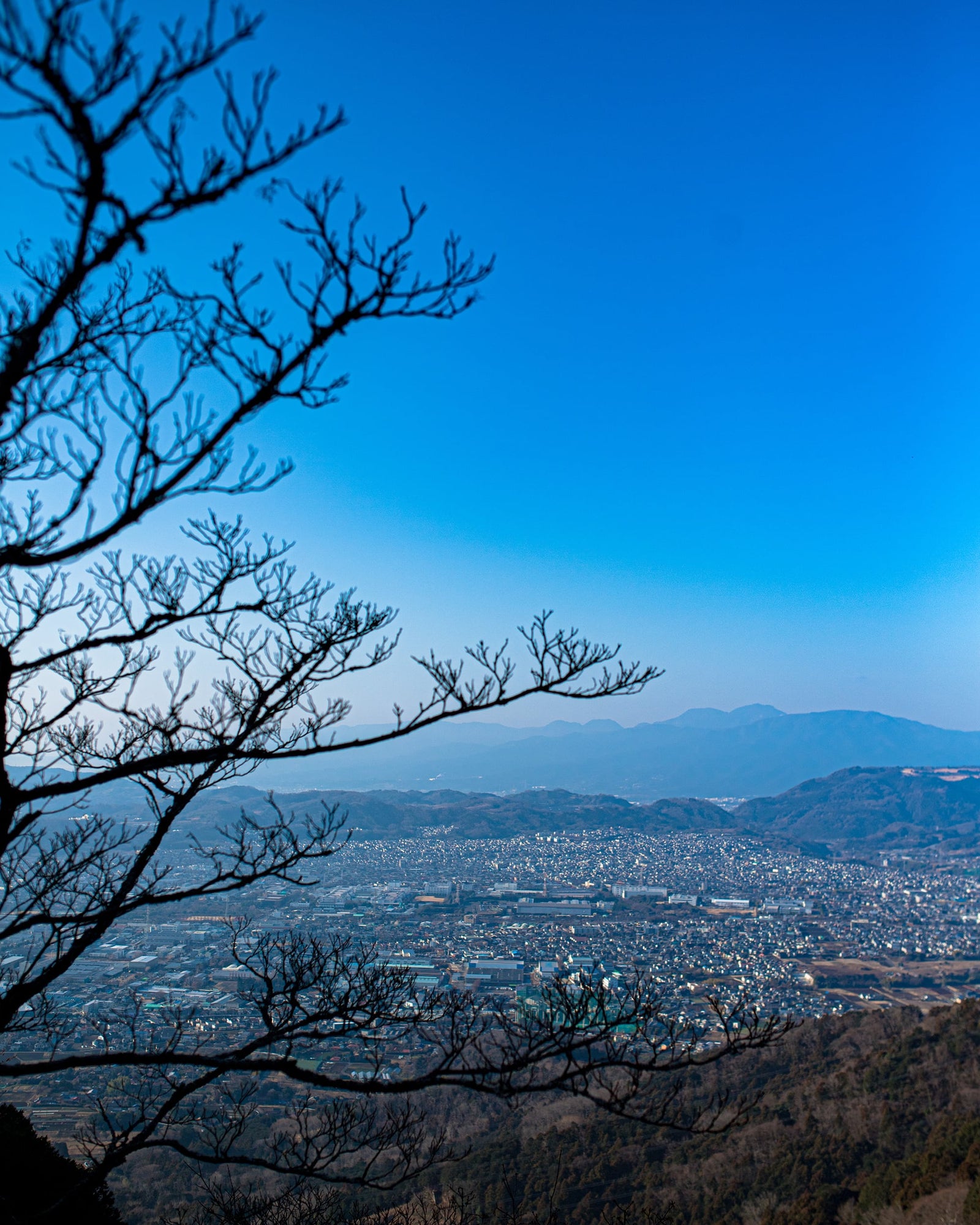
About 70 kilometers west of Tokyo lies the town of Hadano.
Set roughly midway between Tokyo and Mount Fuji, it sits in a basin surrounded by green mountains and gentle hills. I first visited after a runner I knew decided to move there, and through that visit I came to discover the quiet beauty of its landscape and culture.
Until then, I had assumed that what draws runners or hikers to relocate somewhere could be measured by training conditions—distance, elevation gain, or the state of the trails.
But in this suburban town, my attention began to shift toward something different.
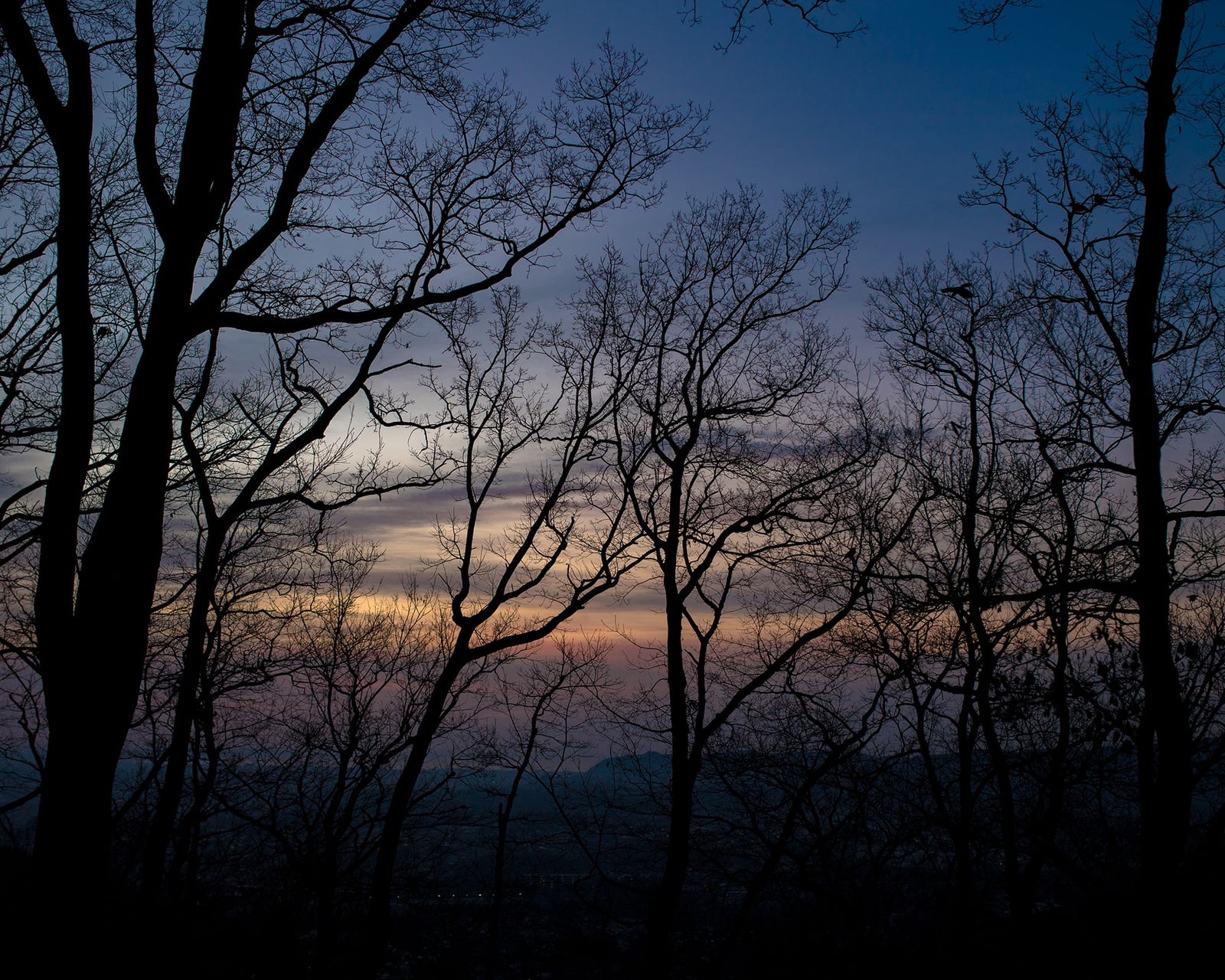
The mountains here feel less overwhelming than welcoming.
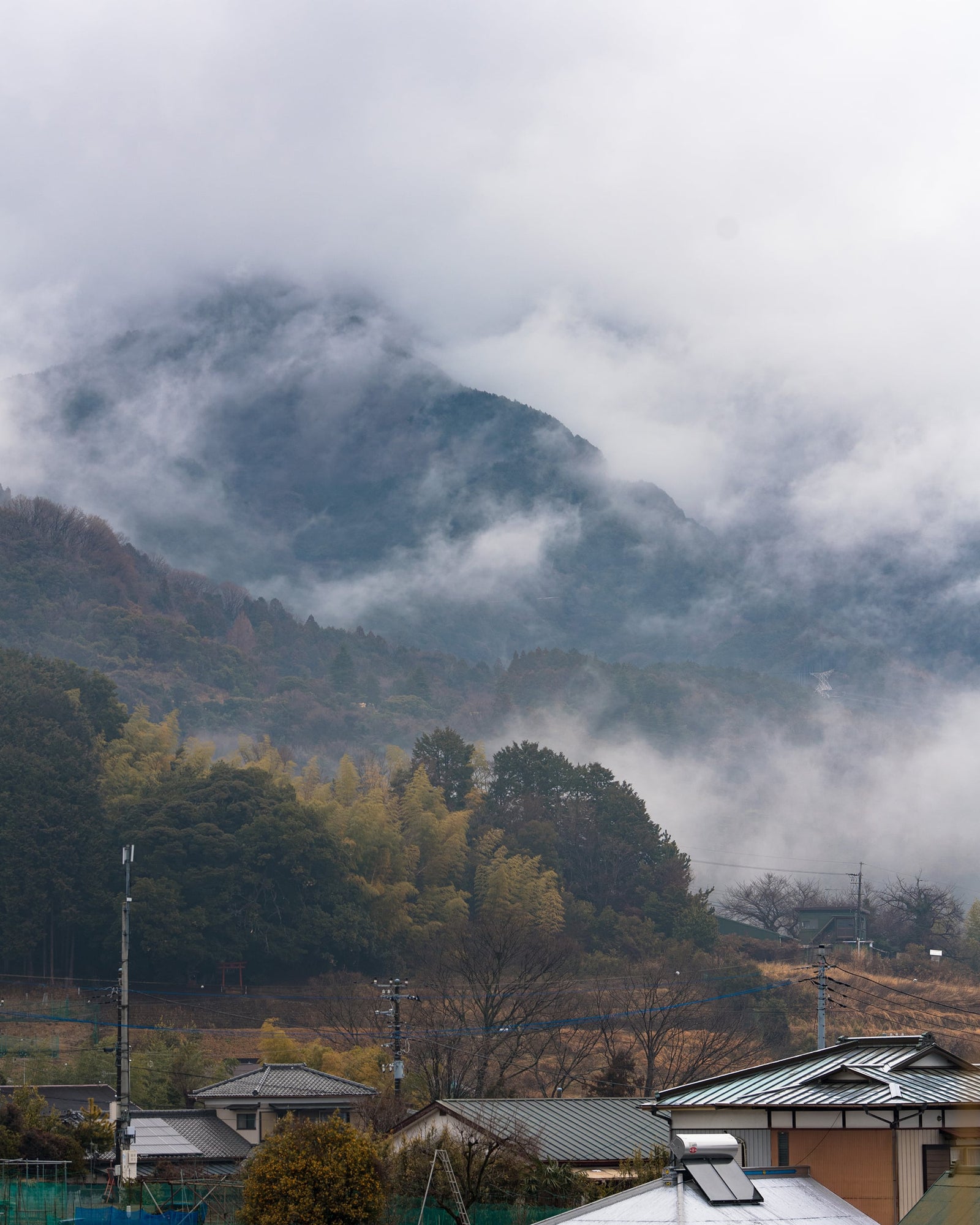
Hadano unfolds beneath the Tanzawa mountains, which spread outward like open arms, together with the Shibusawa hills that extend from them.
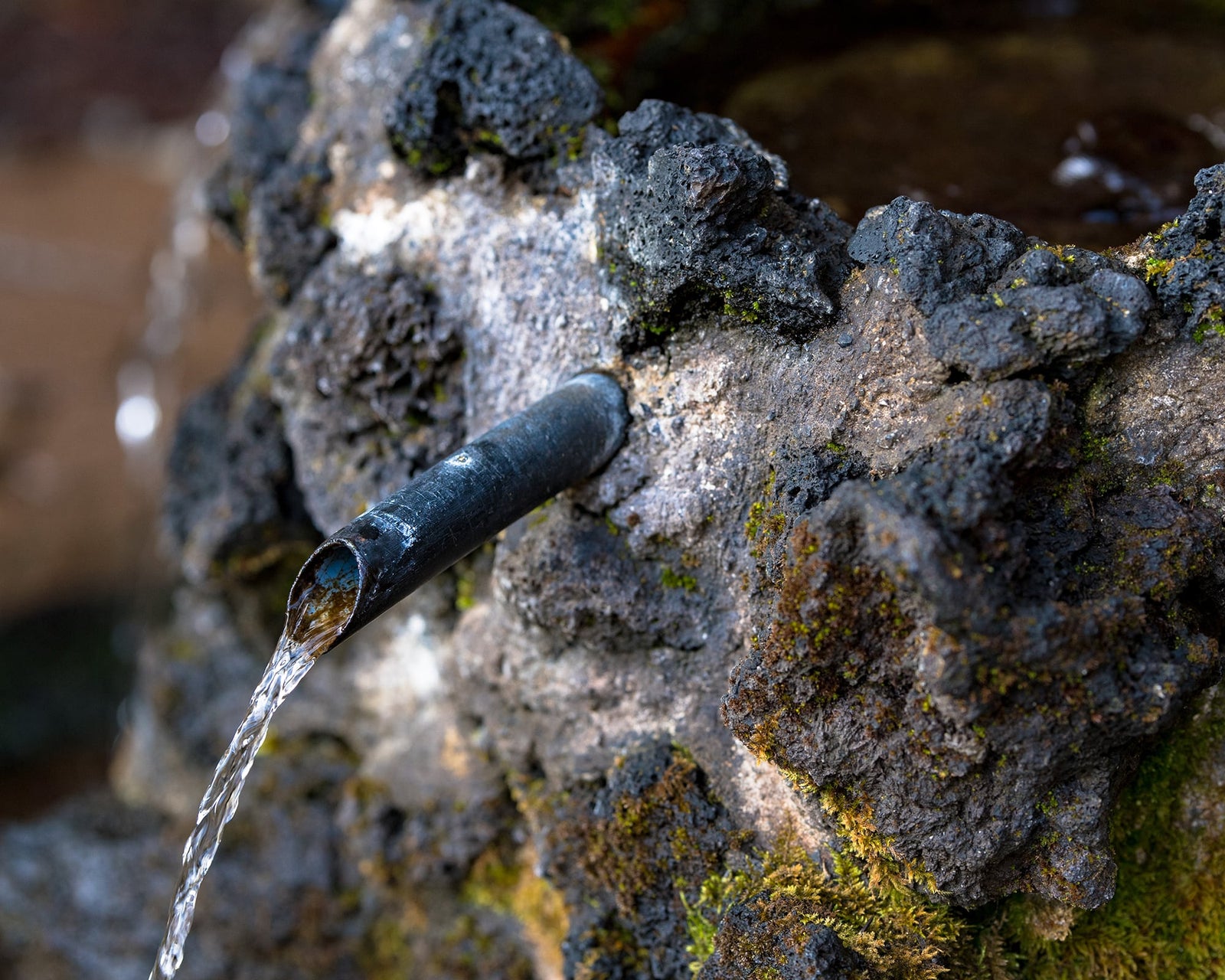
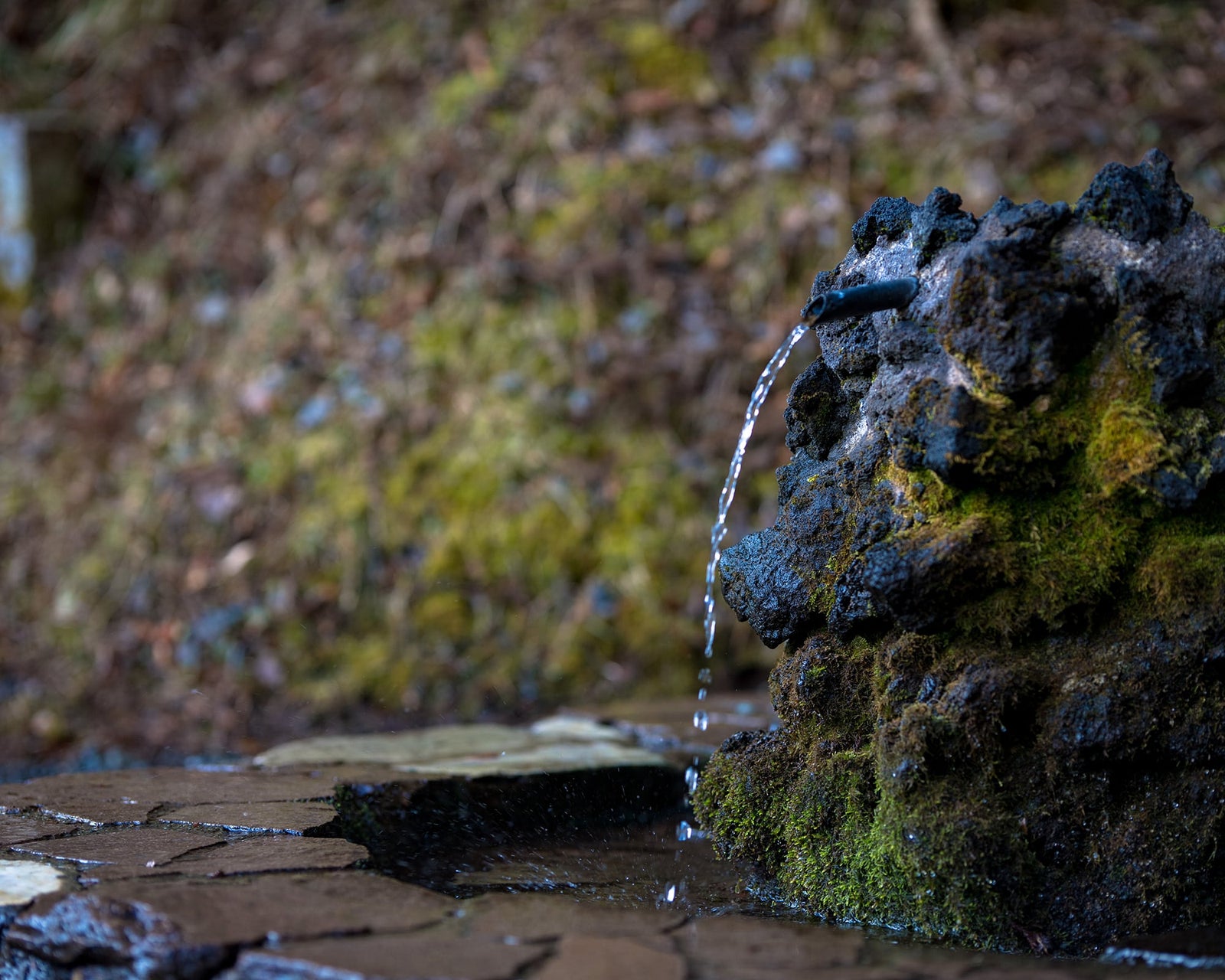
Hadano is also known for its abundant natural spring water.
Rain and snow seep slowly through layers of earth over many years, filtered and refined along the way, before emerging as clear water.
Small water spots along the road, quiet wells in residential neighborhoods—places where people stop to refill their bottles and settle their thoughts.
When rain begins to fall and water finally flows again through the Mizunashi River that runs through the center of town, people who live here will often say, almost with relief, “Ah, it’s raining.”
That was when I realized that water is what quietly sustains daily life in Hadano.
Drawn by this water, many newcomers have settled here as well—people engaged in agriculture or in producing food and drink.
There is a certain generosity in Hadano’s nature.
The trails invite exploration rather than overwhelm, and the water is offered without restraint.
Town and nature exist here in quiet proximity, and visitors can step into that relationship without any special preparation.
For those who walk or run not simply to accumulate distance, but to experience a place, Hadano offers something that lingers in the memory.
A way of moving guided by the land, and a way of thinking sustained by water.
About 70 kilometers west of Tokyo lies the town of Hadano.
Set roughly midway between Tokyo and Mount Fuji, it sits in a basin surrounded by green mountains and gentle hills. I first visited after a runner I knew decided to move there, and through that visit I came to discover the quiet beauty of its landscape and culture.
Until then, I had assumed that what draws runners or hikers to relocate somewhere could be measured by training conditions—distance, elevation gain, or the state of the trails.
But in this suburban town, my attention began to shift toward something different.
The mountains here feel less overwhelming than welcoming.
Hadano unfolds beneath the Tanzawa mountains, which spread outward like open arms, together with the Shibusawa hills that extend from them.
Hadano is also known for its abundant natural spring water.
Rain and snow seep slowly through layers of earth over many years, filtered and refined along the way, before emerging as clear water.
Small water spots along the road, quiet wells in residential neighborhoods—places where people stop to refill their bottles and settle their thoughts.
When rain begins to fall and water finally flows again through the Mizunashi River that runs through the center of town, people who live here will often say, almost with relief, “Ah, it’s raining.”
That was when I realized that water is what quietly sustains daily life in Hadano.
Drawn by this water, many newcomers have settled here as well—people engaged in agriculture or in producing food and drink.
There is a certain generosity in Hadano’s nature.
The trails invite exploration rather than overwhelm, and the water is offered without restraint.
Town and nature exist here in quiet proximity, and visitors can step into that relationship without any special preparation.
For those who walk or run not simply to accumulate distance, but to experience a place, Hadano offers something that lingers in the memory.
A way of moving guided by the land, and a way of thinking sustained by water.

Takumi Ishiyama
Born in 1973 in Tokyo, where he continues to live and work. An amateur photographer who discovered photography through his work with a camera manufacturer that was once his client. Since then, he has pursued photography independently, immersing himself in the craft.
While working as an official photographer for trail running events, he continues to capture runners through a poetic lens, portraying their freshness and presence in motion. His Instagram account, which also serves as his portfolio, offers a glimpse into Japan’s running culture and community.
https://www.instagram.com/isymtkm/


Takumi Ishiyama
Born in 1973 in Tokyo, where he continues to live and work. An amateur photographer who discovered photography through his work with a camera manufacturer that was once his client. Since then, he has pursued photography independently, immersing himself in the craft.
While working as an official photographer for trail running events, he continues to capture runners through a poetic lens, portraying their freshness and presence in motion. His Instagram account, which also serves as his portfolio, offers a glimpse into Japan’s running culture and community.
https://www.instagram.com/isymtkm/
About Hadano
Hadano is a city at the foothills of the Omote-Tanzawa mountains,
about one hour by train from central Tokyo.
Set in a basin surrounded by hills and mountain ridgelines,
the city is known for its abundant natural spring water,
which has supported daily life here for generations.
For runners, Hadano offers a variety of accessible routes,
from quiet town streets and paths along the Mizunashi River to trails
that lead directly into the Omote-Tanzawa mountains.
From the city, runners can reach trailheads for
well-known peaks such as Mt. Tonodake and Mt. Nabewari.
The area also includes classic running and cycling routes such as Yabitsu Pass,
where many athletes gather to test themselves, and the Shibusawa Hills,
where runners can move along the ridgeline with expansive views of Omote-Tanzawa.
Together, these landscapes offer terrain that can be enjoyed by
both serious mountain runners and casual runners alike.
Getting There
From Shinjuku Station, take the Odakyu Line Express to Hadano Station (approximately 70 minutes).
From the station, the landscape quickly opens from town streets toward the mountains.
Run Info
Distance : 15–25 km
Elevation gain : 400–1200 m
Terrain : road / trail mix
Highlights : Mt. Tonodake routes,
Yabitsu Pass climb,
natural spring water spots in town
About Hadano
Hadano is a city at the foothills of the Omote-Tanzawa mountains,
about one hour by train from central Tokyo.
Set in a basin surrounded by hills and mountain ridgelines,
the city is known for its abundant natural spring water,
which has supported daily life here for generations.
For runners, Hadano offers a variety of accessible routes,
from quiet town streets and paths along the Mizunashi River to trails
that lead directly into the Omote-Tanzawa mountains.
From the city, runners can reach trailheads for
well-known peaks such as Mt. Tonodake and Mt. Nabewari.
The area also includes classic running and cycling routes such as Yabitsu Pass,
where many athletes gather to test themselves, and the Shibusawa Hills,
where runners can move along the ridgeline with expansive views of Omote-Tanzawa.
Together, these landscapes offer terrain that can be enjoyed by
both serious mountain runners and casual runners alike.
Getting There
From Shinjuku Station, take the Odakyu Line Express to Hadano Station (approximately 70 minutes).
From the station, the landscape quickly opens from town streets toward the mountains.
Run Info
Distance : 15–25 km
Elevation gain : 400–1200 m
Terrain : road / trail mix
Highlights : Mt. Tonodake routes,
Yabitsu Pass climb,
natural spring water spots in town
With support from
Kanei Shuzoten
Masashi Sato
Akito Nagao