
Journal
Stories, ideas, and field notes from T2.

Takumi Ishiyama
JAPAN NOTS
Running Through Hidden Japan
Approximately 70 minutes from central Tokyo,
there is a town where the distance between the streets and the mountains feels surprisingly small.
Behind the town rises the Omote-Tanzawa range, while beneath it flows an abundance of spring water.
Everyday life and nature exist here in quiet continuity, shaping the landscape of Hadano together.
Yet mountains and water alone do not create this landscape.
The people who live here, work here, run here, and spend time in the mountains
— the community itself — is also an essential part of what defines this town.
For the final chapter of JAPAN NOTS: Hadano,
we turned our attention to the community that flows through the town.
Through the lens of photographer Takumi Ishiyama,
what emerged was the connection between people
that naturally grows as an extension of everyday life.
There is a town.
There is nature.
And people gather between the two.
This is the final photo story from Hadano.
Approximately 70 minutes from central Tokyo, there is a town where the distance between the streets and the mountains feels surprisingly small.
Behind the town rises the Omote-Tanzawa range, while beneath it flows an abundance of spring water.
Everyday life and nature exist here in quiet continuity, shaping the landscape of Hadano together.
Yet mountains and water alone do not create this landscape.
The people who live here, work here, run here, and spend time in the mountains — the community itself — is also an essential part of what defines this town.
For the final chapter of JAPAN NOTS: Hadano, we turned our attention to the community that flows through the town.
Through the lens of photographer Takumi Ishiyama, what emerged was the connection between people that naturally grows as an extension of everyday life.
There is a town.
There is nature.
And people gather between the two.
This is the final photo story from Hadano.
Episode 1 : Hadano
Final Chapter
A Community Connecting
Town and Mountains





People Connected by Water
People are not drawn here by the mountains alone.
Perhaps it is the water that flows from them.
Walking through Hadano, I found myself thinking exactly that.
Rain that falls on the Tanzawa mountains spends years moving quietly through the earth before emerging as springs throughout the town.
That water has supported people's lives, nourished fields, and enriched their tables for generations.
And now, as if drawn by that same water, people continue to gather here.
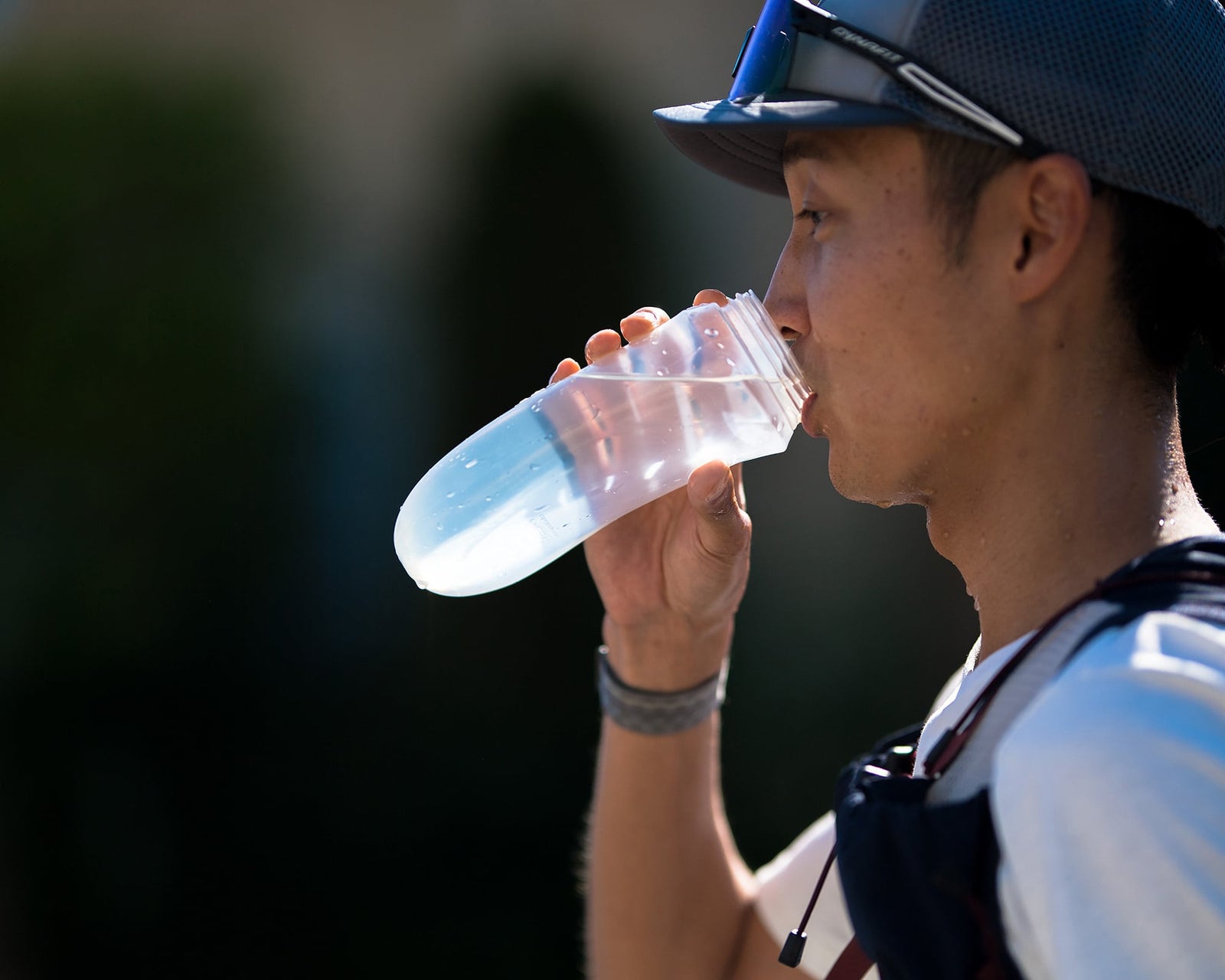
Runners are among them.
If becoming faster were the only goal, they could run anywhere.
Yet they choose this town.
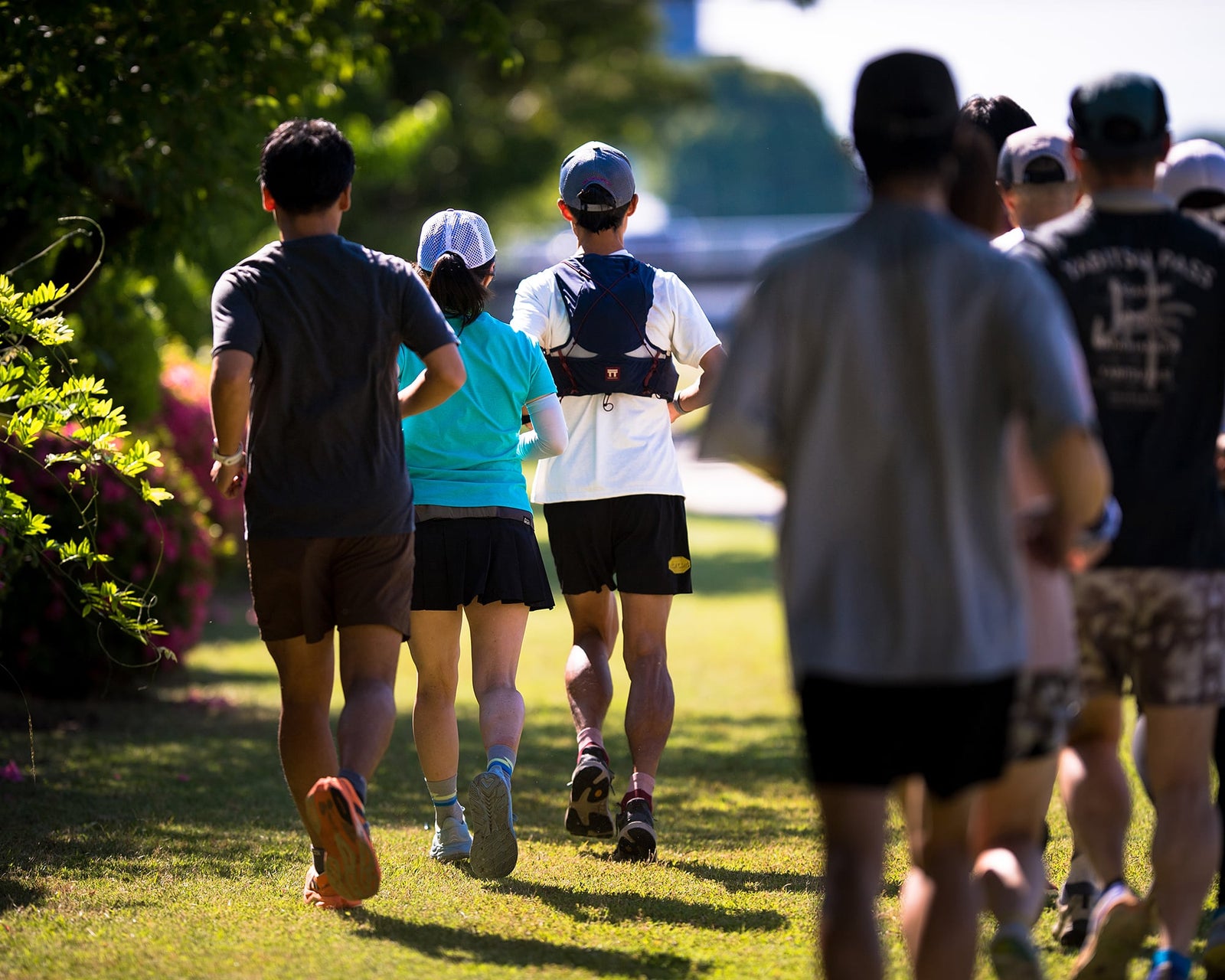
They run through the clear morning air, follow paths beside the river,
and spend their days beneath the ridgelines of the mountains.
Little by little, the landscape of Hadano becomes familiar to the body through running.
Ordinary riverside paths become training routes, and the mountains
that change with the seasons quietly become part of everyday life.
Perhaps running is an act of shortening the distance between ourselves and the landscape.
That may be why people gather here.
Not simply to chase times or compete with one another,
but to share in the atmosphere of this place.
Their ages are different.
Their professions are different.
Their pace is different.
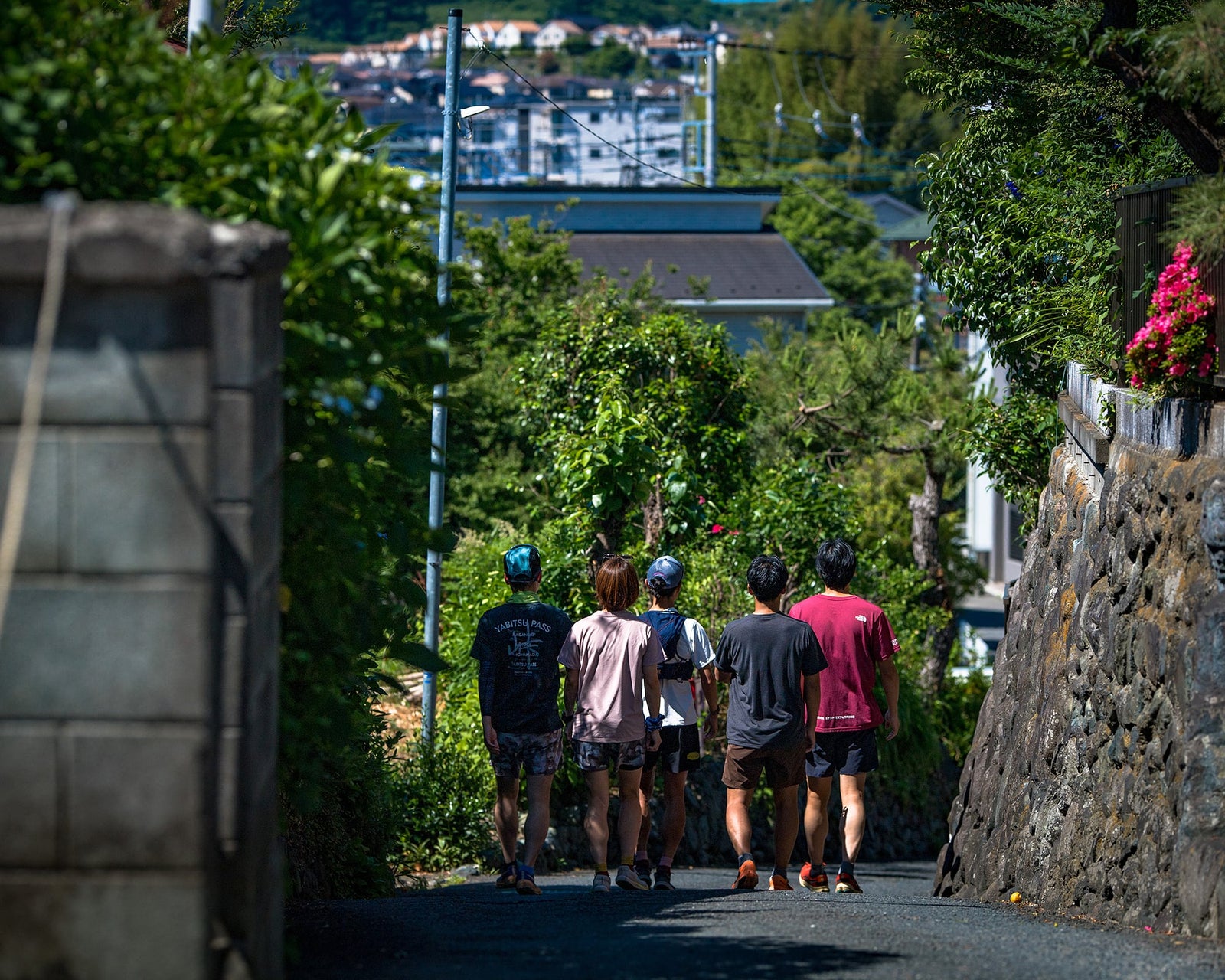
And yet they arrive at roughly the same time of day,
exchange a few words, run together for a while, and then return to their own lives.
There is no strong sense of obligation holding people together.
And yet there is a curious sense of comfort.
If you cannot run this week, that is fine.
Next week is fine.
Next month is fine too.
You simply come back when you are ready.
Communities can offer that kind of space.
People often say that local communities reflect the character of the places they belong to.
If that is true, then Hadano's running community feels
very much like the water that flows through this town.
The water that springs from the mountains has long supported daily life,
nourished fields, and helped grow vegetables and grains.
Even the local sake is brewed from these gifts of the land.
Runners live within that abundance.
Perhaps that is why a community is not only a gathering of people,
but also a mirror that reflects the culture of a place.
It does not rush anyone forward.
It does not ask anyone to stay.
It simply moves quietly between people, connecting one life to another.
And even today, people continue to gather here, as if guided by that current.
Perhaps communities, too, connect people in much the same way as water.
As for me, perhaps I am simply another person who was drawn here by it.
People are not drawn here by the mountains alone.
Perhaps it is the water that flows from them.
Walking through Hadano, I found myself thinking exactly that.
Rain that falls on the Tanzawa mountains spends years moving quietly through the earth before emerging as springs throughout the town.
That water has supported people's lives, nourished fields, and enriched their tables for generations.
And now, as if drawn by that same water, people continue to gather here.
Runners are among them.
If becoming faster were the only goal, they could run anywhere.
Yet they choose this town.
They run through the clear morning air, follow paths beside the river, and spend their days beneath the ridgelines of the mountains.
Little by little, the landscape of Hadano becomes familiar to the body through running.
Ordinary riverside paths become training routes, and the mountains that change with the seasons quietly become part of everyday life.
Perhaps running is an act of shortening the distance between ourselves and the landscape.
That may be why people gather here.
Not simply to chase times or compete with one another, but to share in the atmosphere of this place.
Their ages are different.
Their professions are different.
Their pace is different.
And yet they arrive at roughly the same time of day, exchange a few words, run together for a while, and then return to their own lives.
There is no strong sense of obligation holding people together.
And yet there is a curious sense of comfort.
If you cannot run this week, that is fine.
Next week is fine.
Next month is fine too.
You simply come back when you are ready.
Communities can offer that kind of space.
People often say that local communities reflect the character of the places they belong to.
If that is true, then Hadano's running community feels very much like the water that flows through this town.
The water that springs from the mountains has long supported daily life, nourished fields, and helped grow vegetables and grains. Even the local sake is brewed from these gifts of the land.
Runners live within that abundance.
Perhaps that is why a community is not only a gathering of people, but also a mirror that reflects the culture of a place.
It does not rush anyone forward.
It does not ask anyone to stay.
It simply moves quietly between people, connecting one life to another.
And even today, people continue to gather here, as if guided by that current.
Perhaps communities, too, connect people in much the same way as water.
As for me, perhaps I am simply another person who was drawn here by it.

Takumi Ishiyama
Born in 1973 in Tokyo, where he continues to live and work. An amateur photographer who discovered photography through his work with a camera manufacturer that was once his client. Since then, he has pursued photography independently, immersing himself in the craft.
While working as an official photographer for trail running events, he continues to capture runners through a poetic lens, portraying their freshness and presence in motion. His Instagram account, which also serves as his portfolio, offers a glimpse into Japan’s running culture and community.
https://www.instagram.com/isymtkm/


Takumi Ishiyama
Born in 1973 in Tokyo, where he continues to live and work. An amateur photographer who discovered photography through his work with a camera manufacturer that was once his client. Since then, he has pursued photography independently, immersing himself in the craft.
While working as an official photographer for trail running events, he continues to capture runners through a poetic lens, portraying their freshness and presence in motion. His Instagram account, which also serves as his portfolio, offers a glimpse into Japan’s running culture and community.
https://www.instagram.com/isymtkm/
About Hadano
Hadano is a town located at the foot of the Omote-Tanzawa mountains,
approximately 70 minutes by train from central Tokyo.
Situated in a basin surrounded by mountain ridgelines and rolling hills,
the town has long been sustained by abundant spring water.
Even today, the presence of both water and mountains can be felt throughout everyday life here.
For runners, Hadano is also a place where the distance
between town and mountains feels surprisingly small.
A run through quiet residential streets or along the greenways of the Mizunashi River
naturally leads toward the trailheads of Omote-Tanzawa.
Yabitsu Pass, where runners and cyclists gather from across the region.
Ridgelines stretching toward the major peaks of the Tanzawa range.
The Shibusawa Hills, where you can run with panoramic views of the mountains before you.
From serious mountain athletes to casual runners and hikers,
a remarkable variety of terrain exists within a surprisingly compact area.
Here, we would like to introduce some of the places in Hadano and Tanzawa that we hope visiting runners and hikers from around the world will have the chance to experience.
About Hadano
Hadano is a town located at the foot of the Omote-Tanzawa mountains, approximately 70 minutes by train from central Tokyo.
Situated in a basin surrounded by mountain ridgelines and rolling hills, the town has long been sustained by abundant spring water. Even today, the presence of both water and mountains can be felt throughout everyday life here.
For runners, Hadano is also a place where the distance between town and mountains feels surprisingly small. A run through quiet residential streets or along the greenways of the Mizunashi River naturally leads toward the trailheads of Omote-Tanzawa.
Yabitsu Pass, where runners and cyclists gather from across the region. Ridgelines stretching toward the major peaks of the Tanzawa range. The Shibusawa Hills, where you can run with panoramic views of the mountains before you.
From serious mountain athletes to casual runners and hikers, a remarkable variety of terrain exists within a surprisingly compact area.
Here, we would like to introduce some of the places in Hadano and Tanzawa that we hope visiting runners and hikers from around the world will have the chance to experience.
Access
Approximately 70 minutes from Shinjuku Station to Hadano Station via the Odakyu Line Express.
Step out of the station, and the landscape quickly opens from town to mountains.
a: Hadano Station / Tanzawa Biyori NATURE ACTIVITY BASE
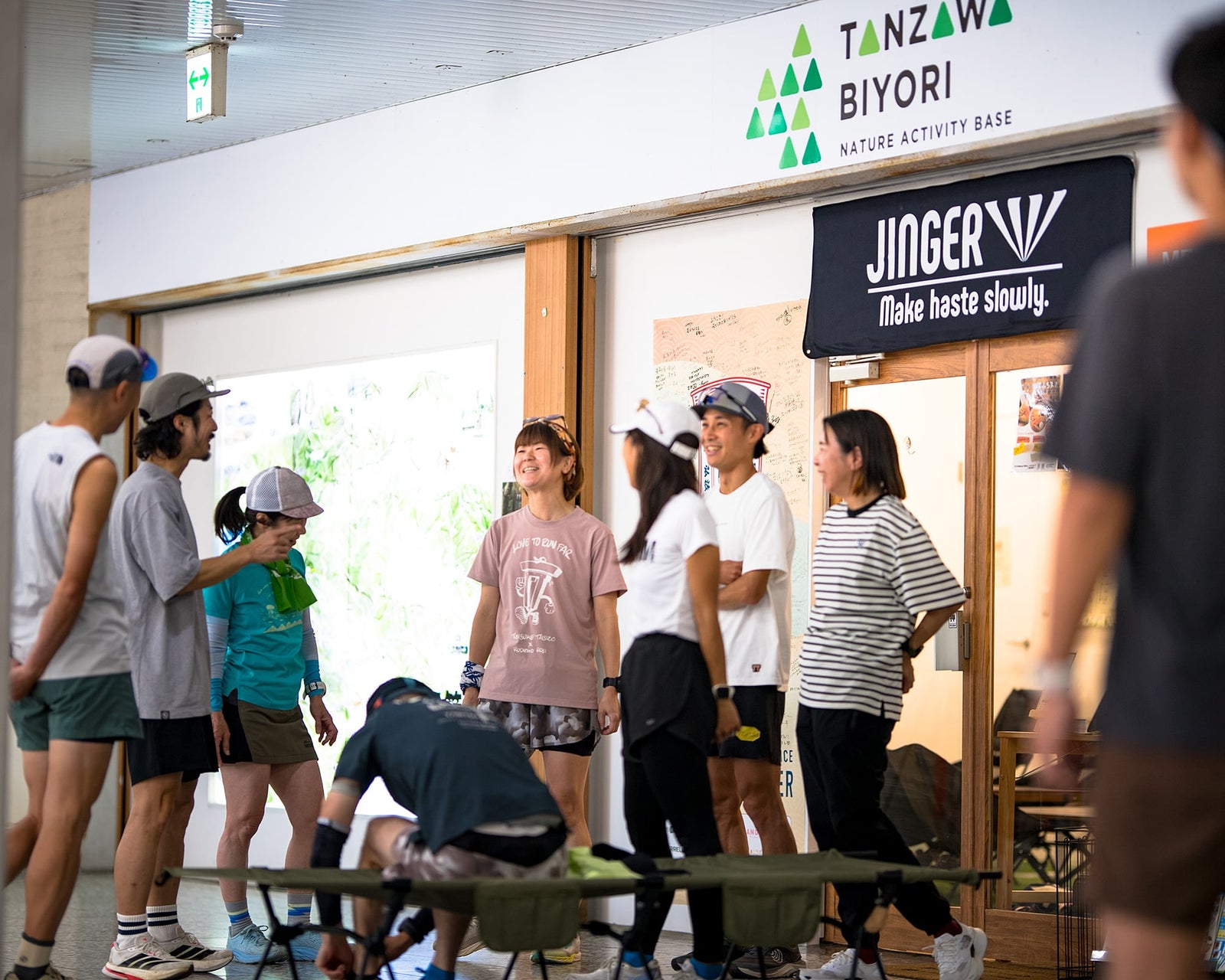
For runners and hikers visiting Tanzawa from Tokyo, the first place we recommend stopping by is Tanzawa Biyori NATURE ACTIVITY BASE, an activity base located inside Hadano Station.
Part tourist information center and part trailhead, it serves as a gateway to the mountains.
Alongside information for hiking and trail running, the facility offers luggage storage, showers, rental services, Wi-Fi, and coworking spaces, making it easy to prepare for the mountains or unwind after returning from them.
Approximately 70 minutes from Shinjuku by train, you can step off the platform, organize your gear, and head directly into the Tanzawa mountains.
This seamless transition from train to trail, centered around Tanzawa Biyori NATURE ACTIVITY BASE, is one of Hadano's unique attractions.
b: Mizunashi River
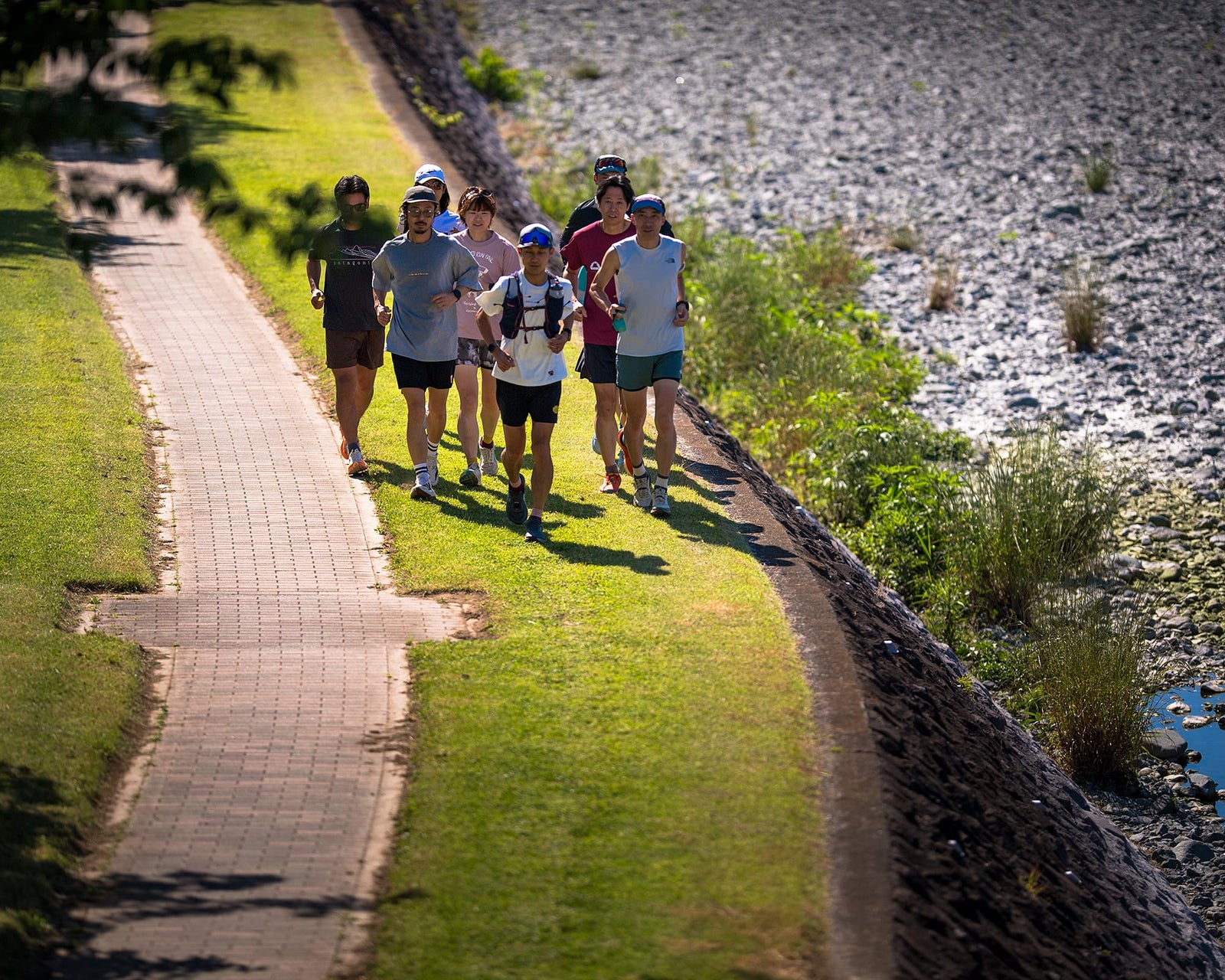
Fed by underground water flowing from the Tanzawa mountains, the Mizunashi River is one of Hadano's defining landscapes.
Its wide riverbanks and flat paths make it ideal for an arrival-day shakeout run or an easy recovery run.
On clear days, you can run with uninterrupted views of the Omote-Tanzawa ridgelines rising beyond the river.
Although the river flows through the heart of town, the presence of the mountains never feels far away.
It is a landscape that feels unmistakably like Hadano.
c: Yabitsu Pass
Yabitsu Pass is not only one of the principal trailheads of Omote-Tanzawa, but also a special place for runners and cyclists around Tokyo.
Many begin at Naganuki Intersection along National Route 246 and climb the roughly 12 kilometers to Yabitsu Pass at an elevation of 761 meters.
Among runners in particular, breaking the one-hour mark — the so-called "Sub-60 Challenge" — has become a local benchmark.
Beyond the pass begins the Omote Ridge route, leading toward Mt. Tonodake via Mt. Nino and Mt. Sanno.
On clear days, views extend from Mt. Fuji to Sagami Bay, creating one of Tanzawa's most iconic landscapes.
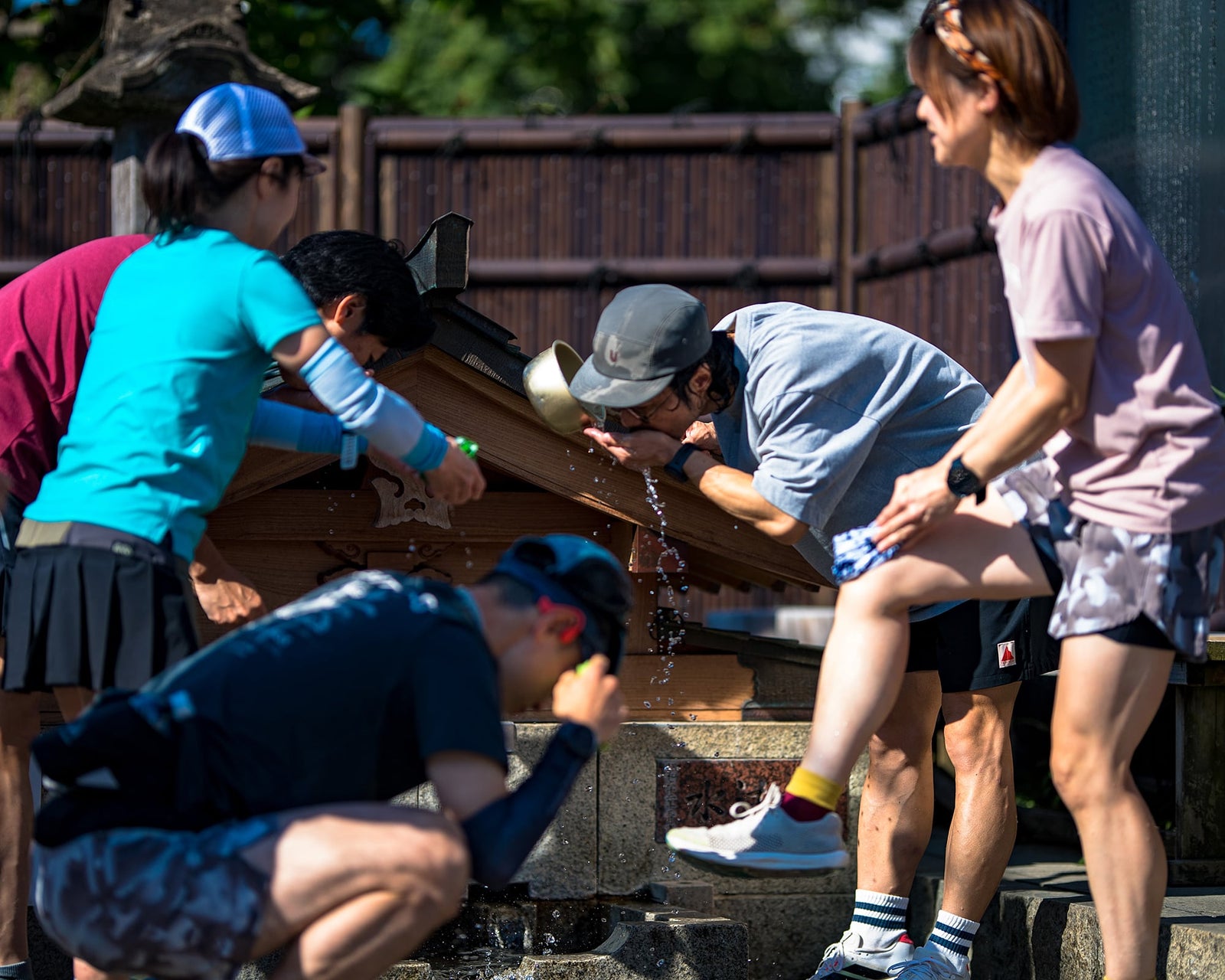
d: Gomayashiki Spring
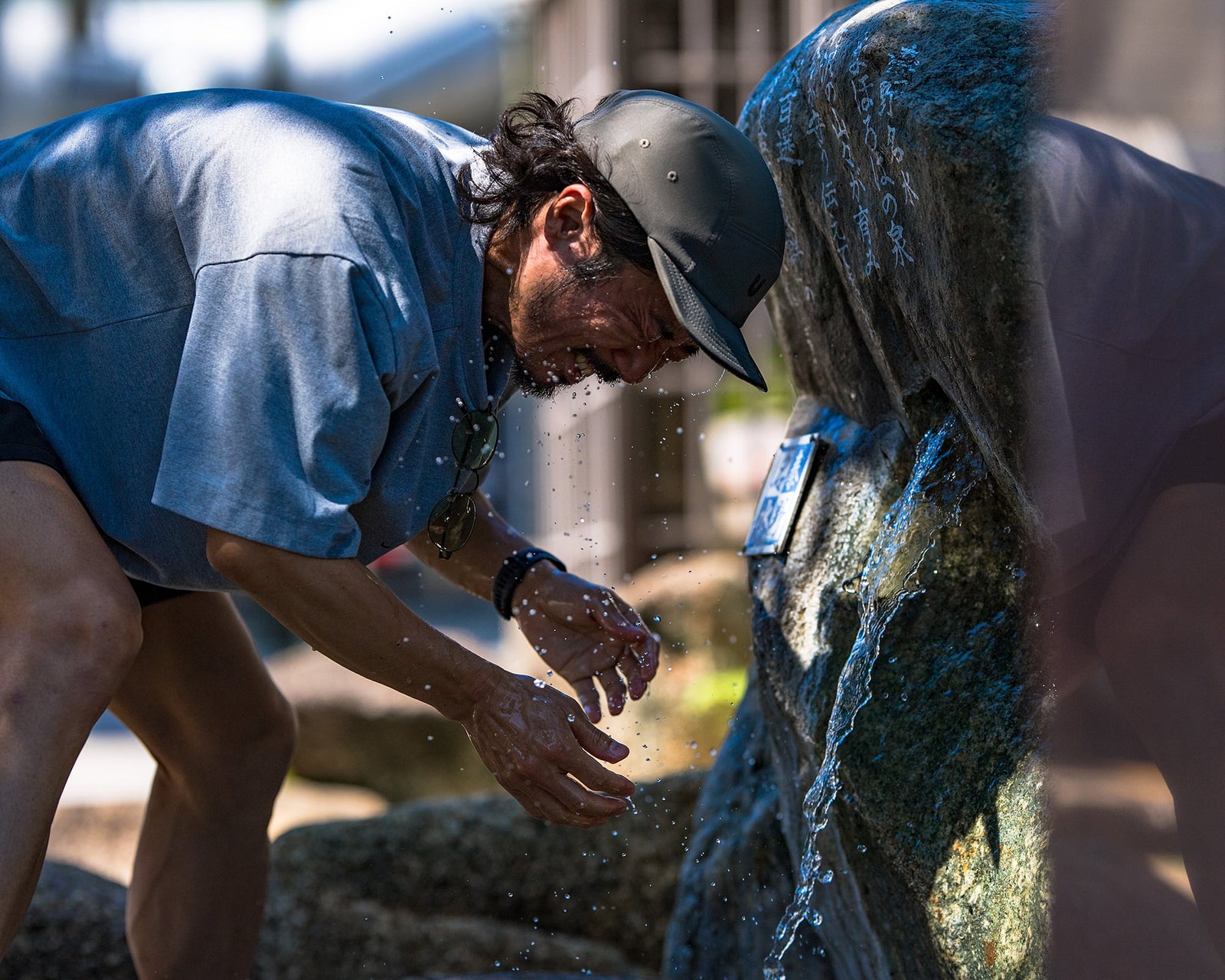
A spring where rain falling on the Tanzawa mountains re-emerges after many years of traveling underground.
The springs of the Hadano Basin have been selected as one of Japan's "100 Remarkable Waters" by the Ministry of the Environment, and Gomayashiki Spring is one of their best-known sources.
During a long run or a day in the mountains, taking a moment to cool your hands and refill your bottles with this clear, cold water feels like one of the small luxuries unique to this place.
e: Mt. Tonodake
At 1,491 meters, Mt. Tonodake is one of the defining peaks of Omote-Tanzawa and a classic training ground for trail runners around Tokyo and Kanagawa.
Starting from Okura, the round trip covers approximately 21 kilometers with around 1,200 meters of elevation gain.
From the summit, panoramic views stretch across Mt. Fuji, Sagami Bay, and the ridgelines of Tanzawa, a landscape that continues to draw runners and hikers back time and again.
f: Mt. Tanzawa
Mt. Tanzawa, rising to 1,567 meters, is one of Japan's 100 Famous Mountains and the central peak of the Tanzawa massif.
Continuing west along the Tanzawa Main Ridge beyond Mt. Tonodake leads into quiet beech forests and a noticeably more remote atmosphere.
The round trip from Okura is approximately 25 kilometers, offering a long mountain day that feels surprisingly far removed from Tokyo.
g: Mt. Hirugatake
At 1,673 meters, Mt. Hirugatake is the highest peak in Kanagawa Prefecture.
Following the Tanzawa Main Ridge beyond Mt. Tonodake and Mt. Tanzawa eventually brings you to the deepest part of the range.
The route exceeds 30 kilometers round trip from Okura, but the sense of achievement grows in proportion to the distance.
From the summit, views extend to Mt. Fuji, the Southern Alps, and Sagami Bay.
h: Shibusawa Hills
A gentle range of hills rising between 200 and 300 meters above sea level.
In contrast to the steep slopes of Tanzawa, the Shibusawa Hills offer rolling terrain and wide-open views that make for relaxed and enjoyable running.
On clear days, the ridgelines of Tanzawa rise to one side while Sagami Bay appears on the other.
From faster sessions to recovery runs, it is a landscape that local runners have returned to for many years.